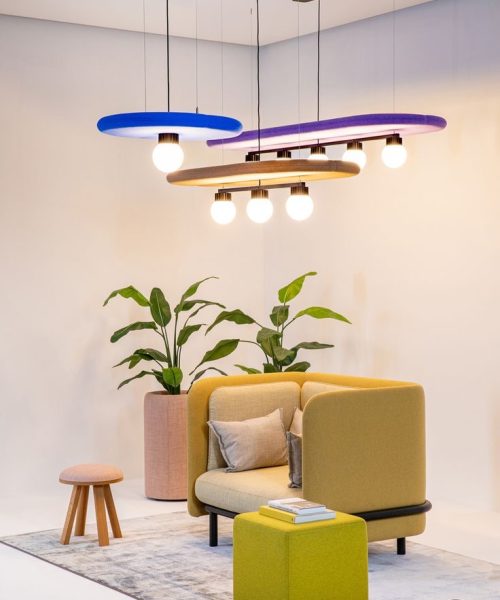
unwanted Noise represents a COMMON problem in most modern workspaces. Thankfully, there's a bunch of design solution that can help lower its level and create quieter environments. Discover here below 10 strategies to adopt today.
With the rise of open-plan offices, promoting collaborative work, creativity, and innovation, acoustics can easily remained overlooked: as a result, unwanted sound is today a common complaint. The abundance of highly reverberant surfaces (such as hard floors, ceilings, and desks), the lack of physical barriers, and the density of people they usually welcome can indeed lead to increased noise levels, impacting concentration, productivity, stress and overall well-being. How can we then achieve collaborative spaces with acoustics in mind?
Let’s have a look at some of the best design strategies you can implement to reduce background noise and create quieter working environments:
1. ACOUSTIC PANELS
Archisonic by Impact Acoustic
Square by Slalom
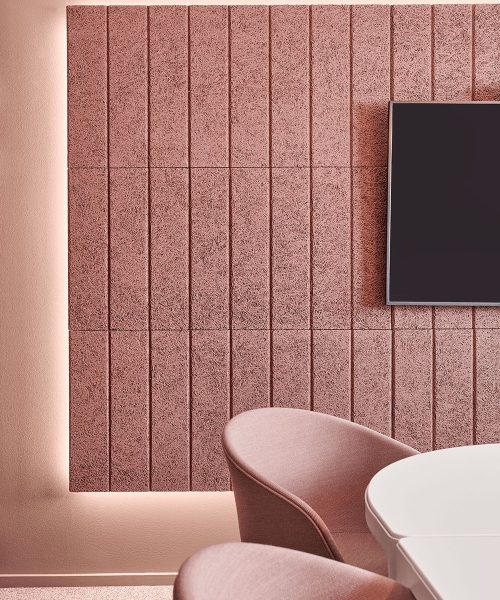
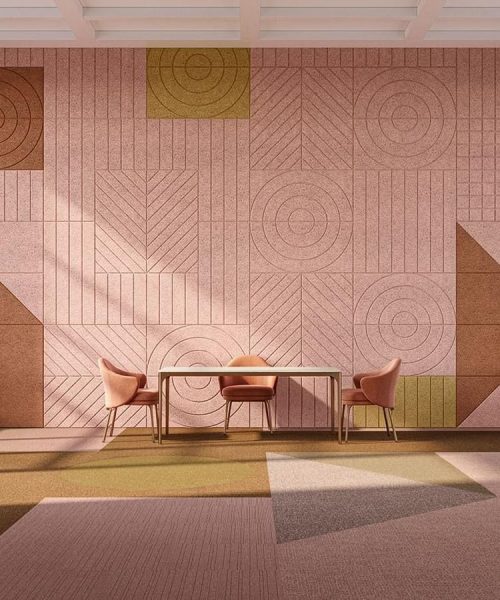
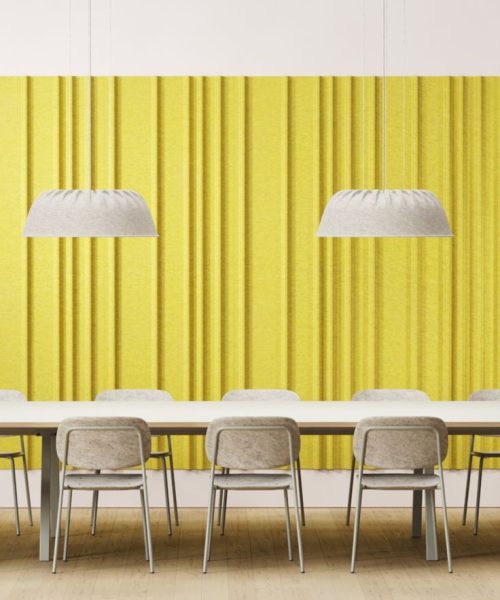
When a sound is created, it propagates from the source in all directions, radiating outwards until it encounters a boundary element. While desks, windows and hard floors pose opportunities for sounds to reflect, acoustic panels are made from materials that absorb sound waves, preventing them from bouncing around the room.
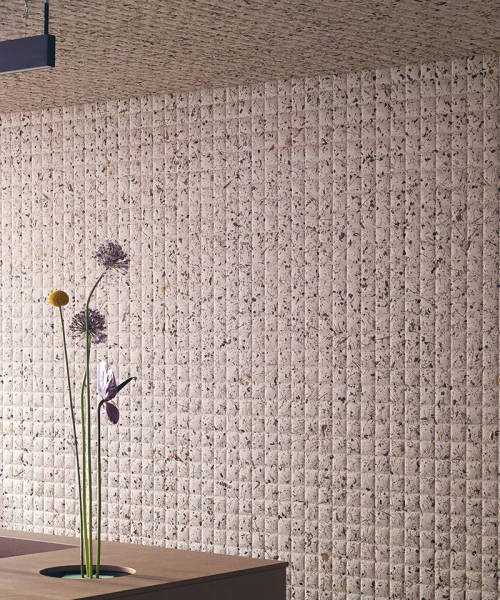
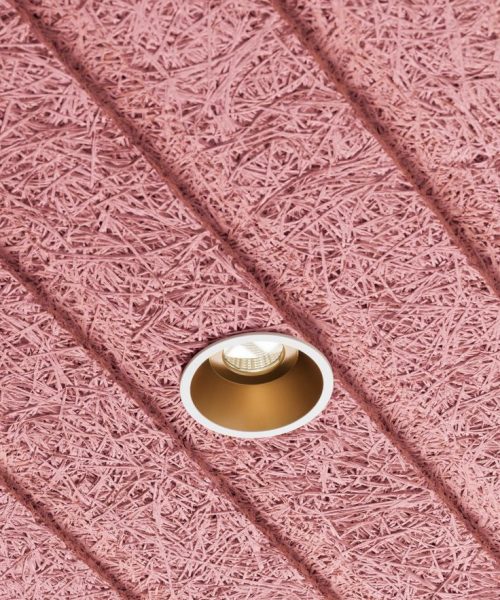
Contemporary acoustic panels come in a wide range of shapes, colours and sizes, that make them at the same time a stylish addition to elevate your decor. Install them of the walls of your office, as well as in the meeting room and call rooms to create a quieter and more focused environment.
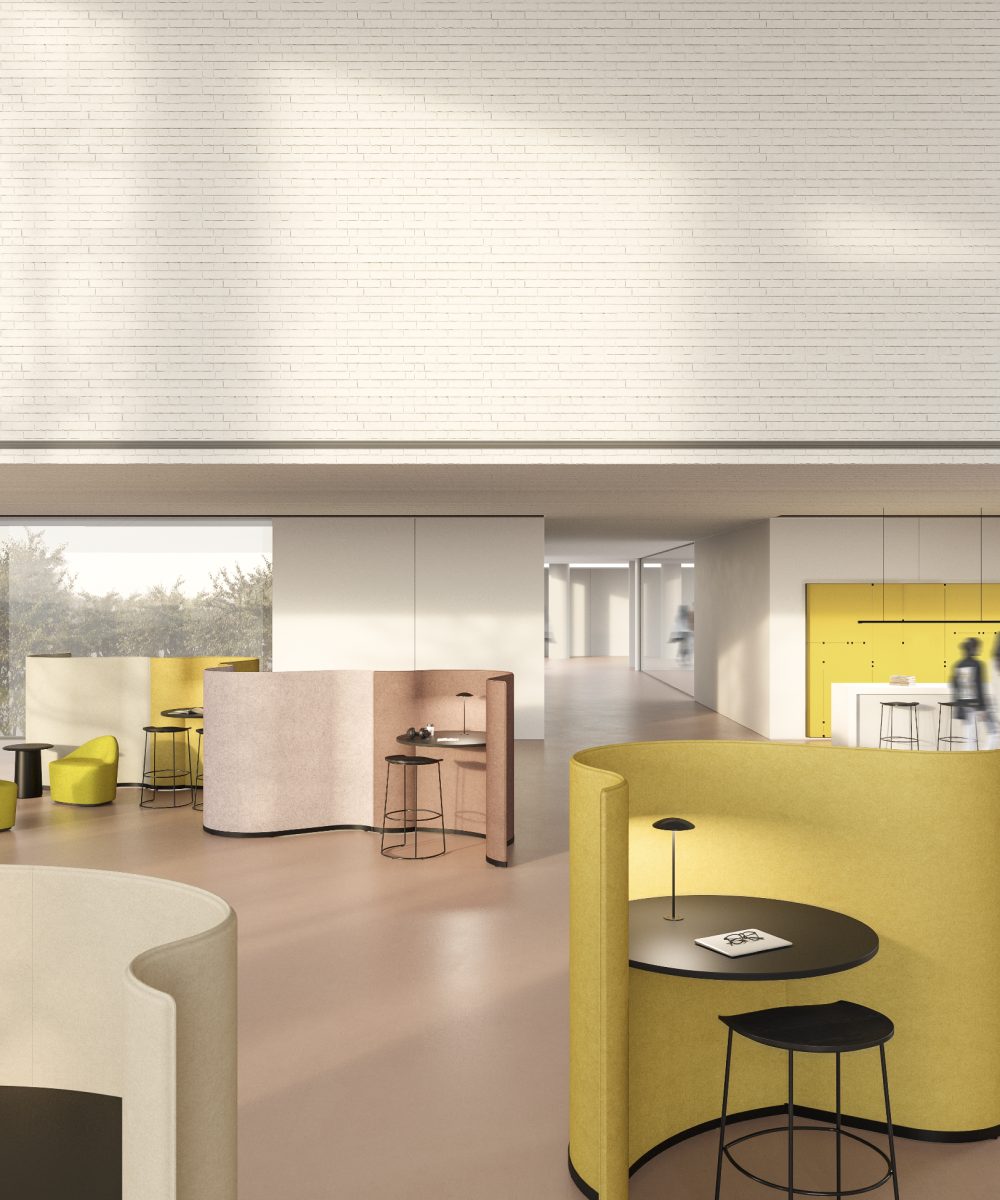
2. ACOUSTIC PODS
Room Phone Booth
OmniRoom by Mute
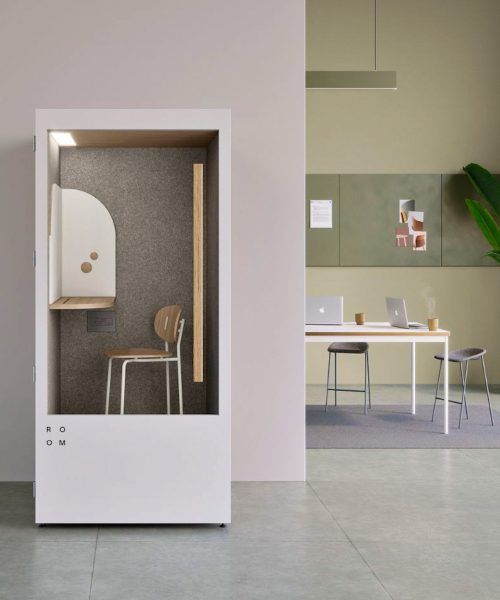
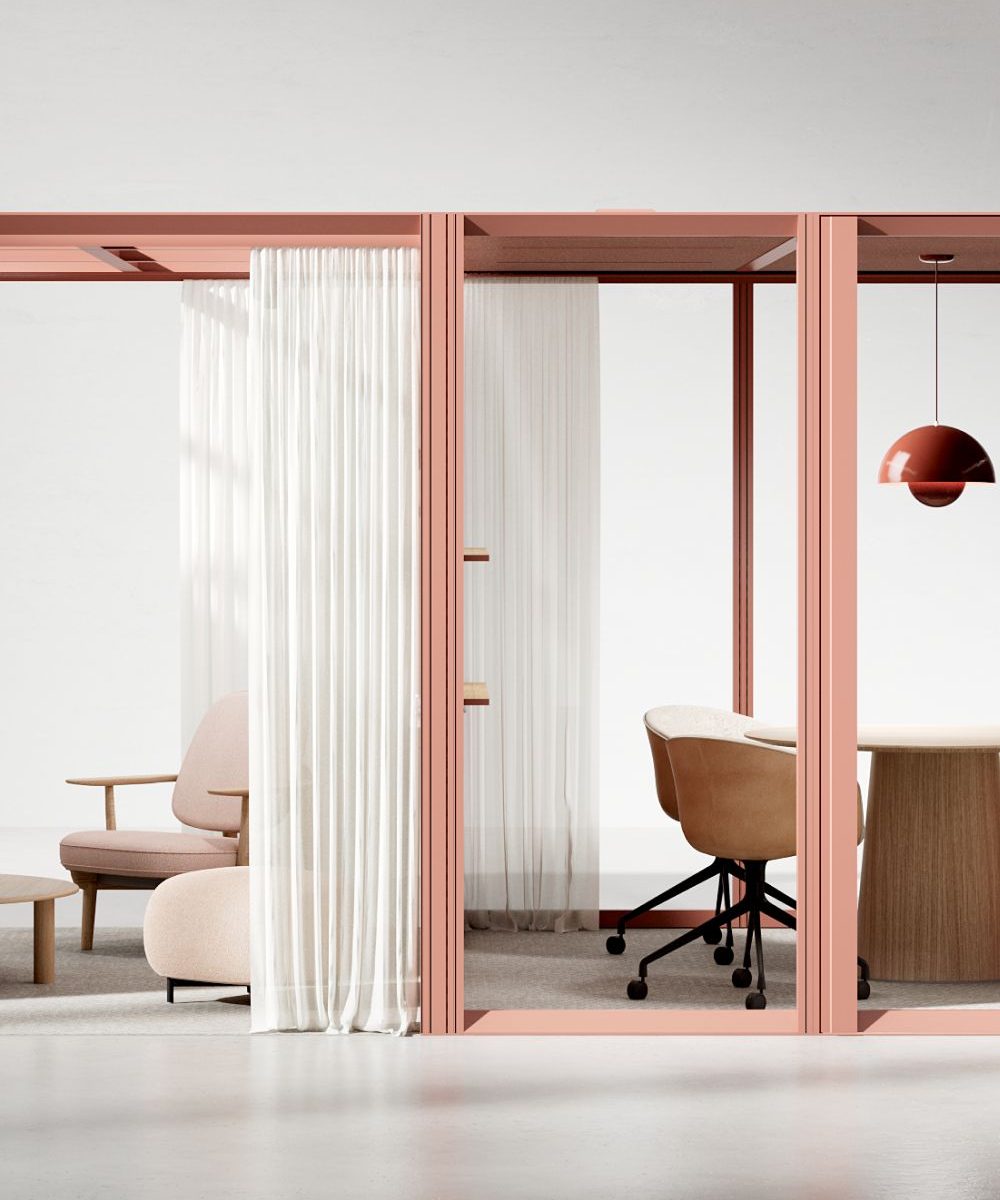
Acoustic pods (also called office pods) are noise-free, soundproofing and self-contained spaces where employees can work, brainstorm, make calls and focus away from their desk and any distractions. The huge success they’re experiencing today is due to the fact that they’re easy to set up, move around and can accommodate all types of budgets. The most obvious benefit is their ability to block out and contain sound, in some cases up to 100% of noise.
3. DESK DIVIDERS
Desk Divider by De Vorm
Felt Screen by Baux
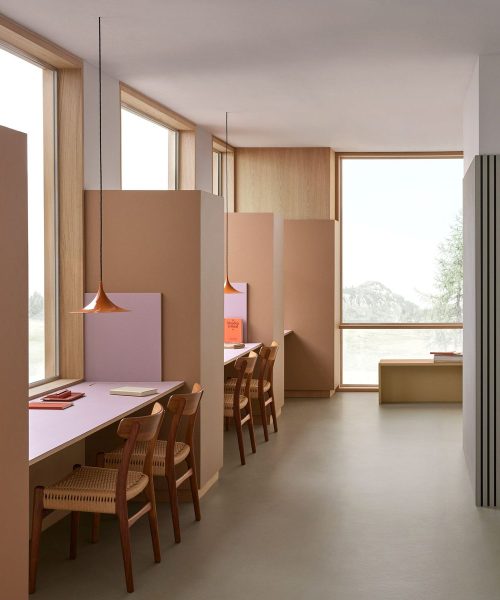
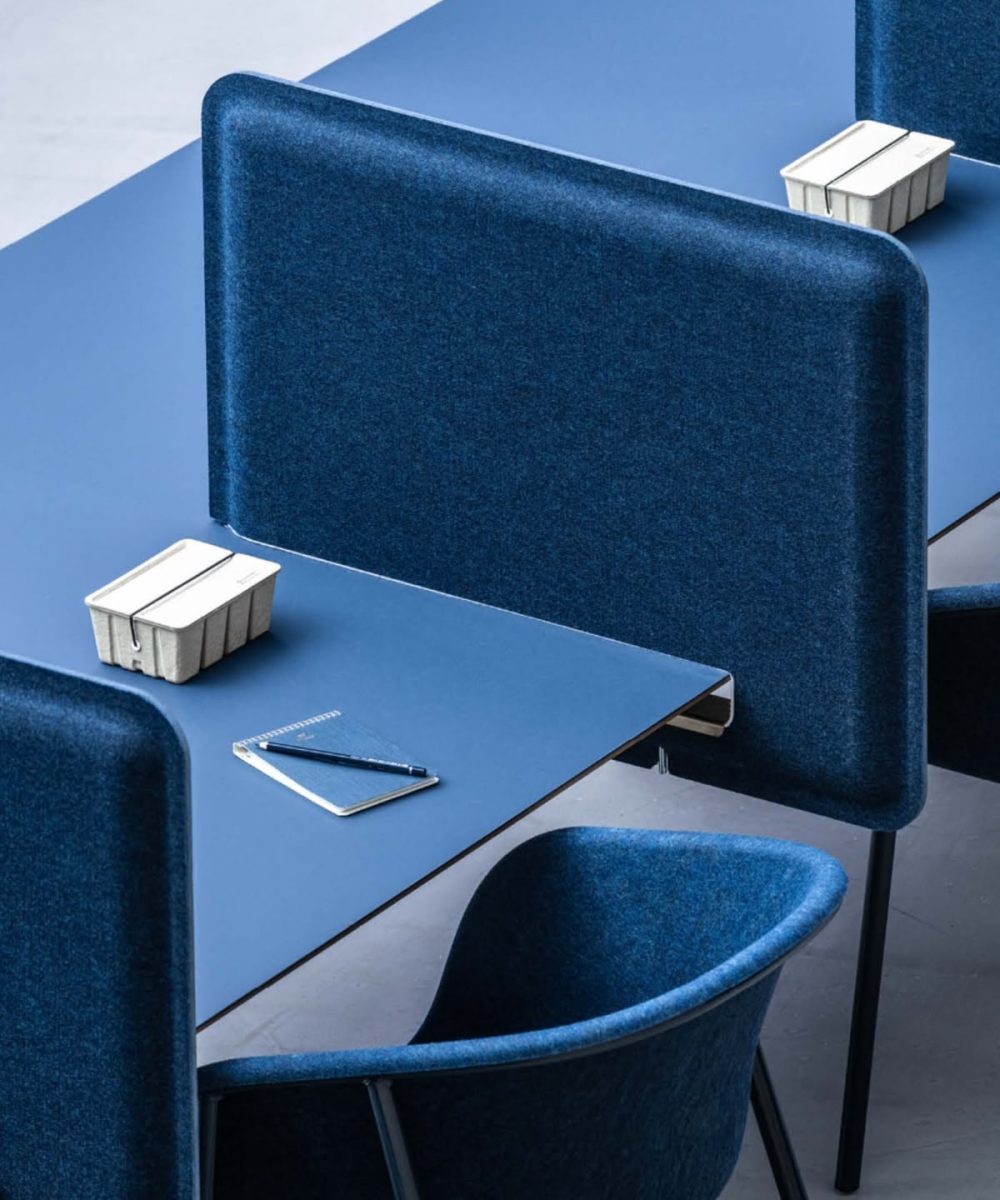
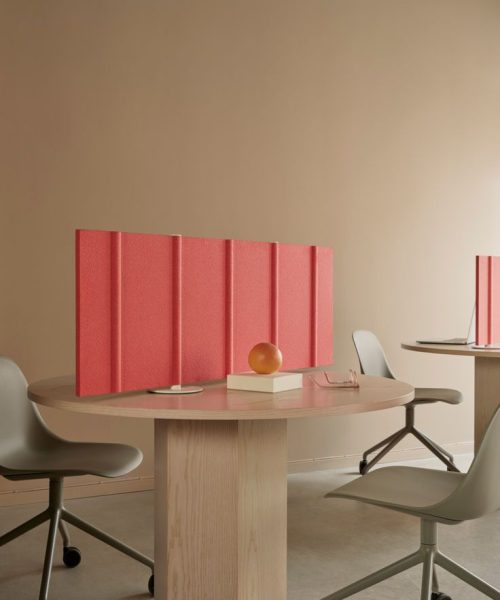
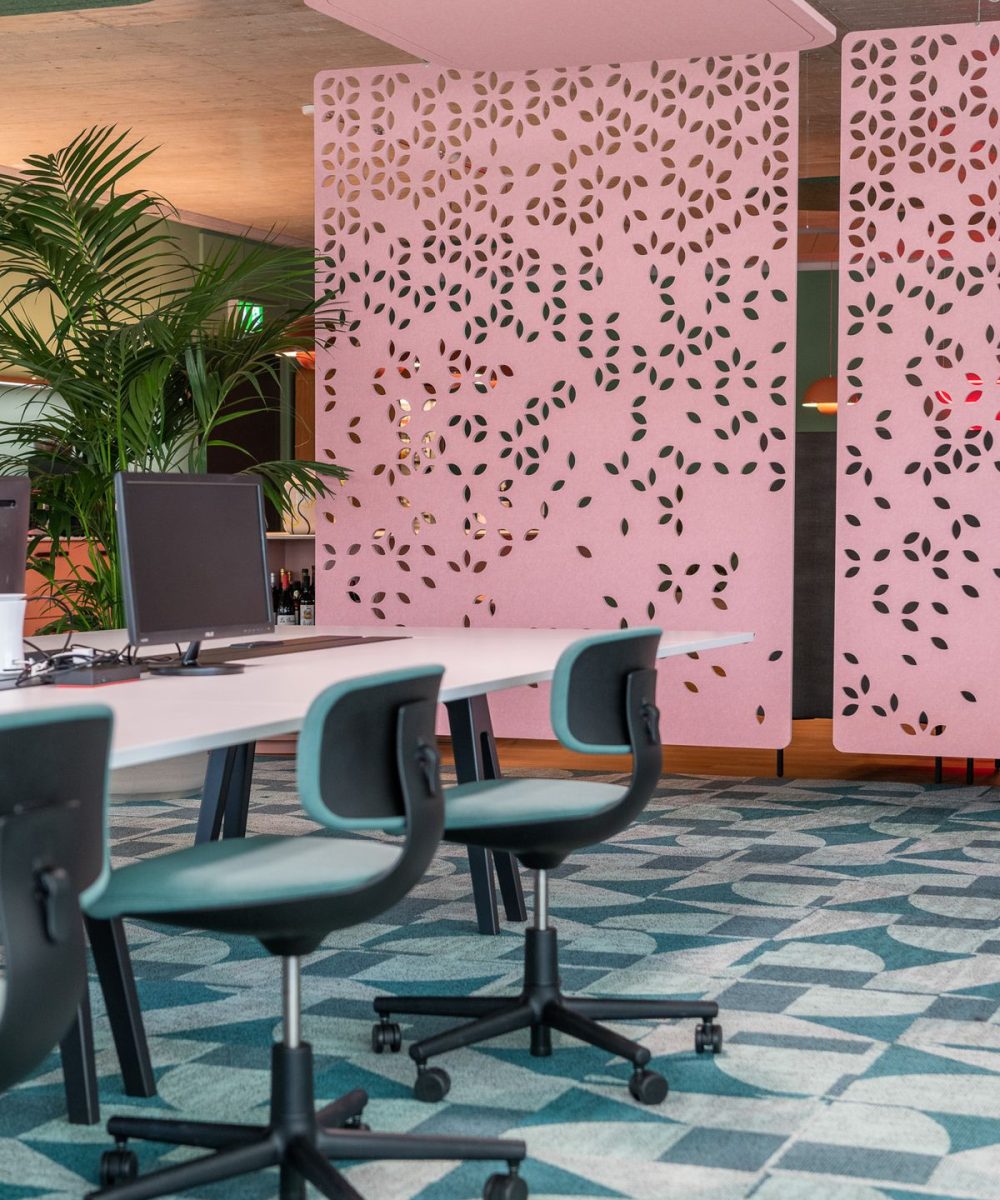
Desk dividers are acoustic partitions designed to be placed between desks or workstations, creating a physical barrier that blocks sound waves from travelling across the room. Similarly to acoustic panels, they can be customised to fit the size and shape of your office and come in various materials. Movable and available in a wide range of prices, they’re perfect for breaking up large rows of desks, providing employees with a quieter and more concentrated workstation.
4. ACOUSTIC SCREENS
Mute Flow Room Divider by De Vorm
Acoustic Room Dividers by Impact Acoustic
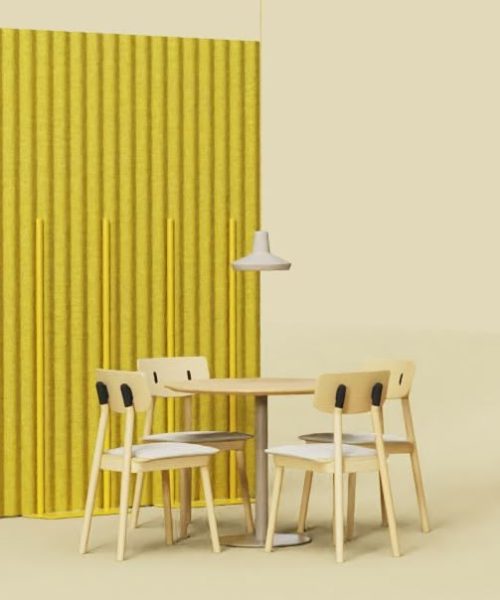
Acoustic screens are partitions you can use to create separate zones within a space, improving privacy, focus and calm. Designed to stay or to move around the office, these screens are made of sound-absorbing materials, that make of them a precious partner to help lowering the noise level of a room.
5. FLOORING, CARPET AND RUGS
Tarkett Carpet
Volver rugs
The simplest way to reduce noise in an office space is to introduce soft surfaces like carpet and rugs to the flooring. Beyond adding a cosy feel to the office, these sound absorbing soft materials reduce echoes and minimise the impact of footsteps or chair movements.
Take in mind that hard flooring surfaces like concrete, stone, porcelain, wood and ceramic can contribute to noise amplification in a room by allowing sound to bounce and reverberate. Padded laminate and engineered wood flooring, bamboo, vinyl, rubber and LVT floors have better sound proofing qualities. If you want to stick to hard flooring surfaces, you can consider applying acoustic flooring underlay or using area rugs to cut down noise.
6. UPHOLSTERY AND CURTAINS
Bau modular seating by Lammhults
Banda Creative Agency office by Ater Architects
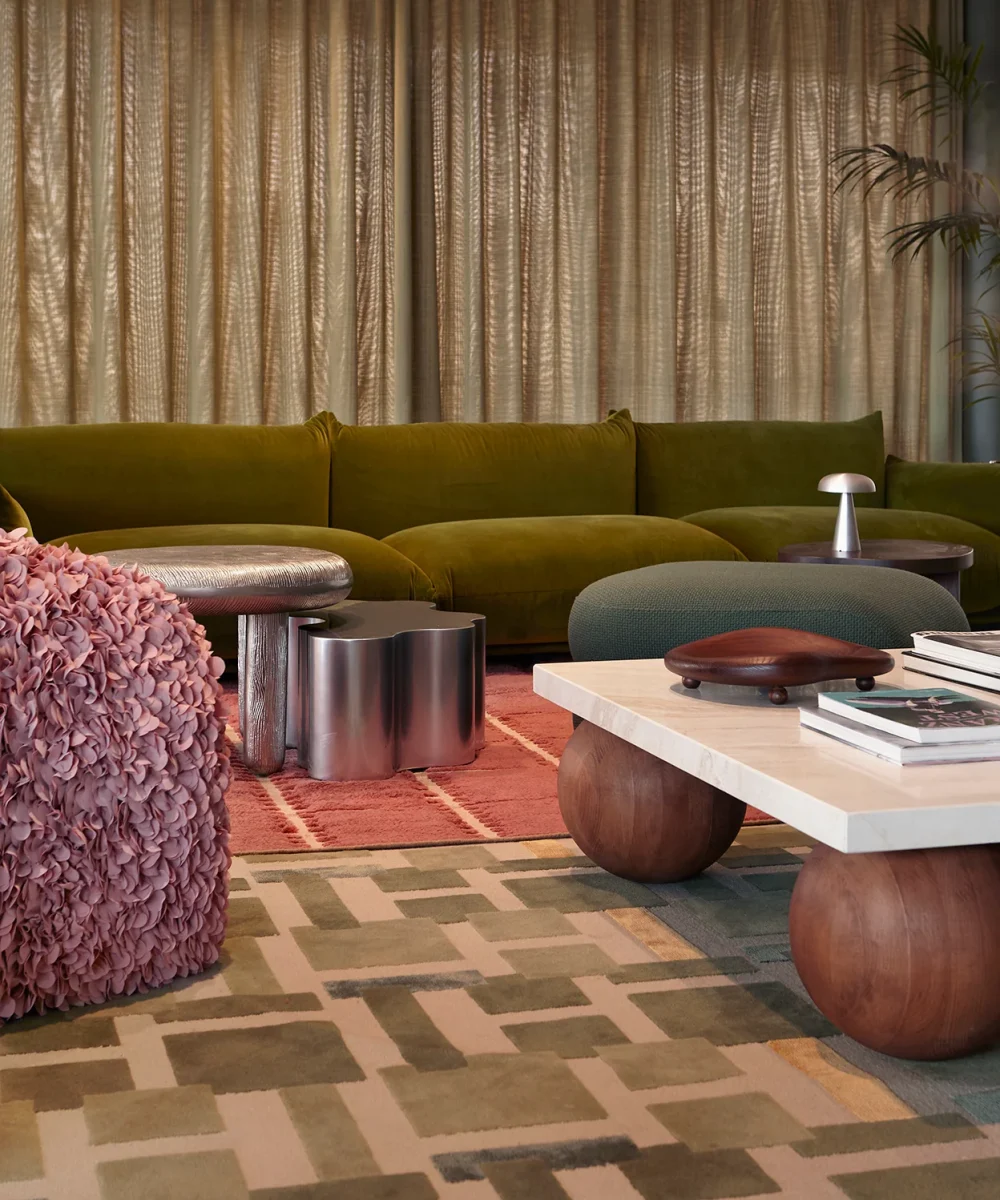
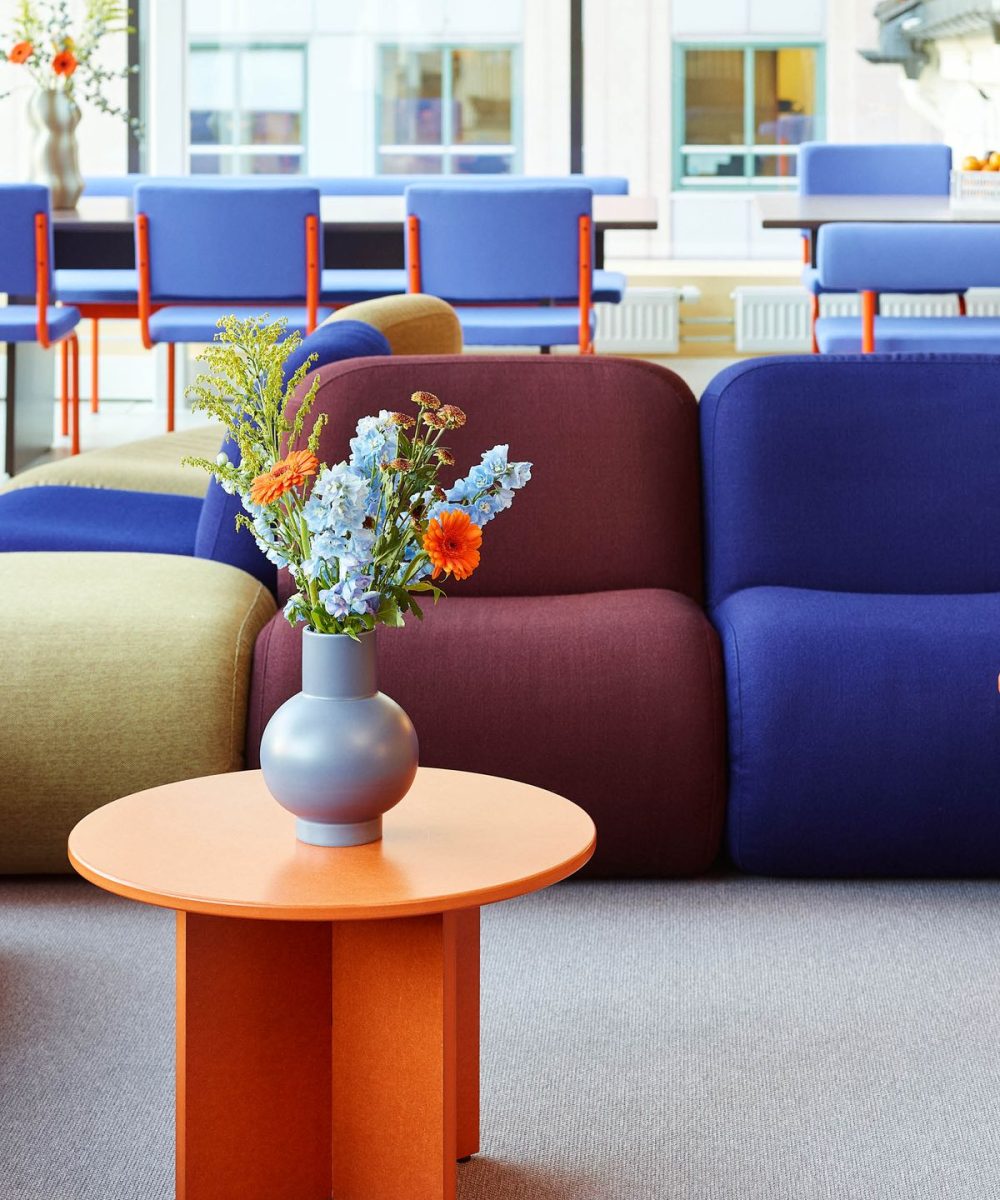
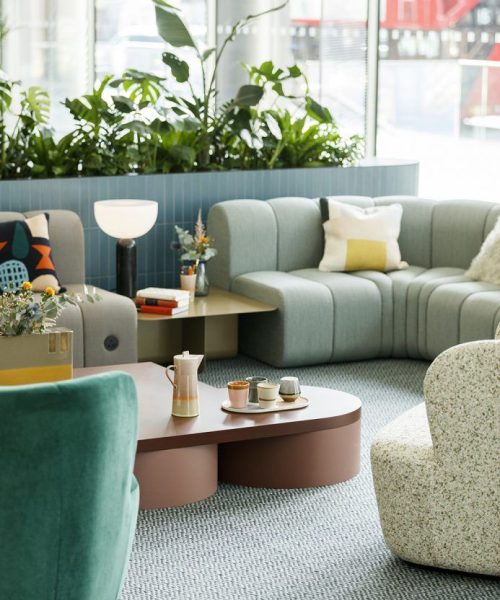
Choosing furniture with sound-absorbing properties, such as upholstered chairs and sofas, also helps minimise noise transmission within the workspace. Sofas and upholstered chairs with plush fabrics like chenille, corduroy, microfiber and suede are particularly effective sound absorbers.
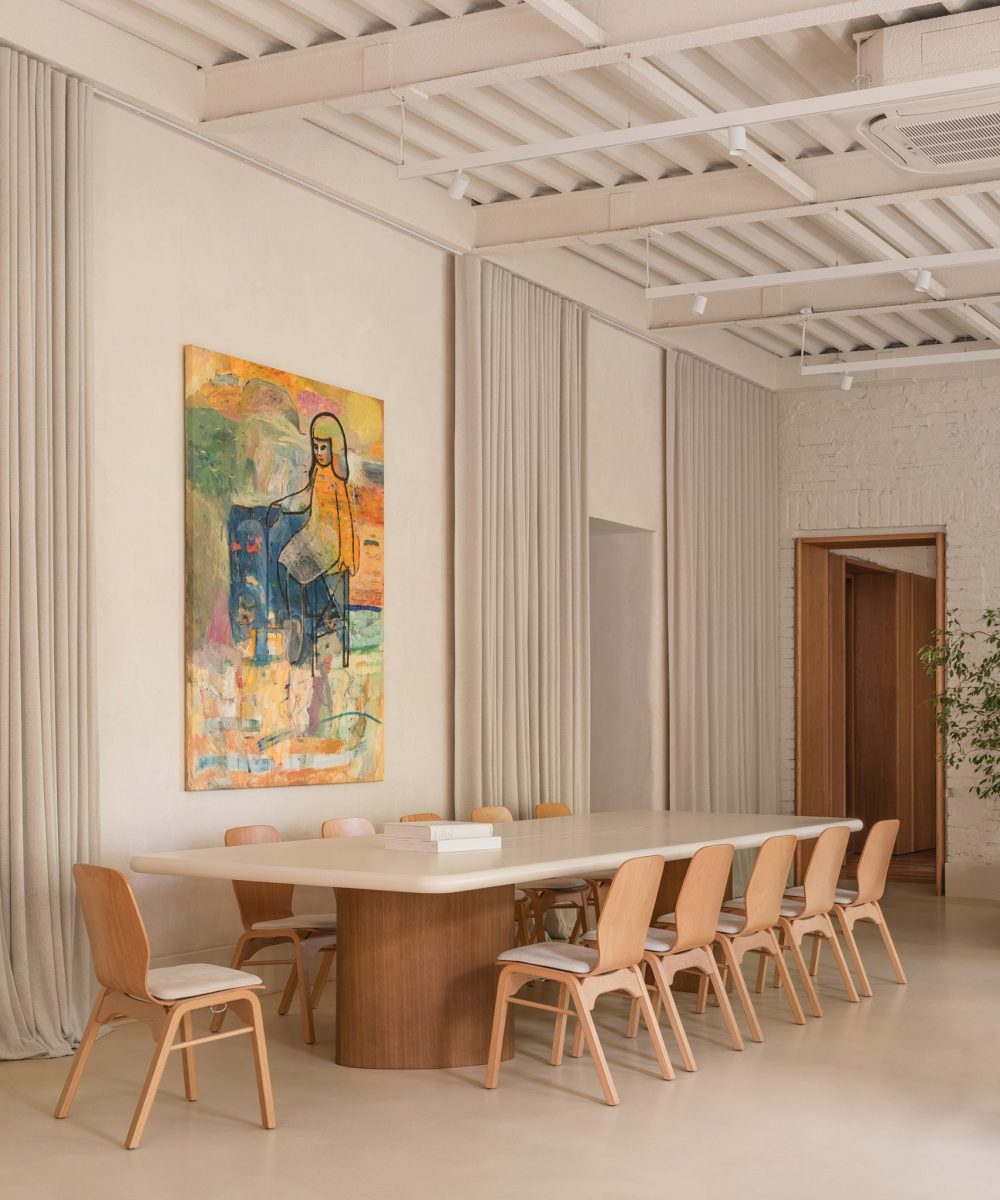
Acoustic curtains are also a useful alley to reduce echo and reverberation and act as a sound barrier, improving the working atmosphere. These curtains use heavy, dense fabrics like wool, velvet, felt or specialized acoustic fabrics, and may feature a multi-layer system to offer greater sound insulation. For maximum effectiveness, curtains should extend from floor to ceiling and be wider than the area they cover to minimize sound leakage around the edges.
7. CEILING TREATMENTS
Acoustic Ceiling Panel by Baux
PET Felt Buffles by ReFelt
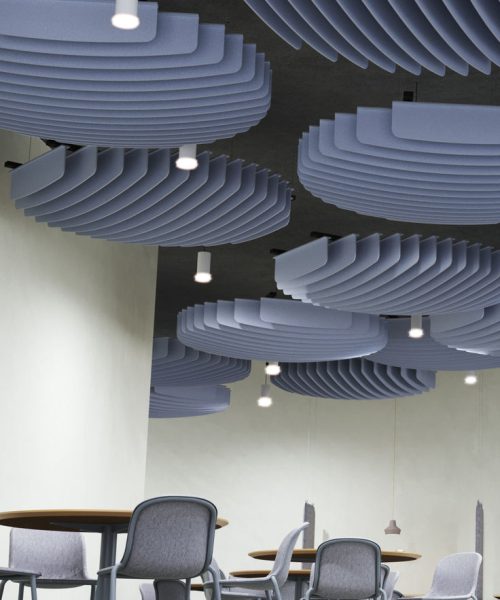
Ceiling treatments might cost more and be more intensive to install, but they’re a great long-term option for low-impact noise control. Similarly to wall panels, floating panels are installed on the ceiling and help you absorbe unwanted noise without reducing the room surface.
Suspended or attached under the ceiling, they work today both as acoustic absorber and creative design feature thanks to a wide range of materials, geometric shapes and colours. Beside improving the acoustics, you can use them to define areas within the open space, direct the flow of traffic, install lighting fixtures, add visual depth, make the ceiling the feature element of the room, and create a more calming and intimate space.
8. ZONING AND FURNITURE ARRANGEMENT
Breaking Area, Aldgate Tower
Bimini by Altherr Désile Park
The way you arrange furniture in your office can also play an important role in reducing noise.
Positioning noisy areas away from workstations, such as meeting rooms and communal areas, can help minimise disruptions to employees’ focus and concentration. Incorporating designated quiet zones equipped with soundproofing materials gives employees dedicated spaces for focused work and concentration.
By strategically placing desks and upholstered furniture, you can also create physical barriers that block sound waves from travelling across the room.
9. PLANTS
Framed by Greenmood
Loopo planters by Bujnie
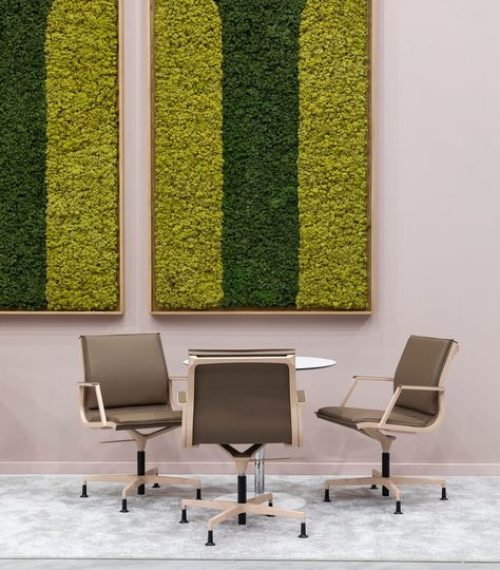
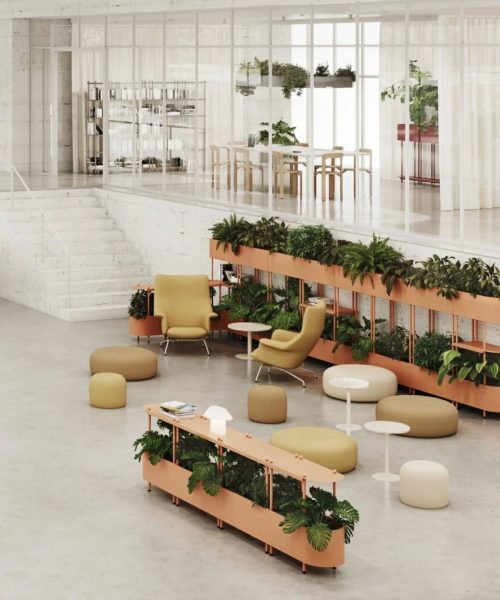
Beyond enhancing aesthetics, boosting the well-being of employees and improving air quality, installing indoor plants in your office space is an effective way to lower noise levels.
As larger plants mean a better sound absorption, if you face high levels of unwanted noise you can consider introducing living walls in your workspace.
10. ACOUSTIC LIGHTING
Fost by De Vorm
Buzzi Surf by Buzzi Space
Acoustics can today be improved also through innovative lighting fixtures.
Decorative and functional elements at the same time, acoustic lights combine lighting with sound absorption to improve your office soundscapes and minimize unwanted sound while providing light. Available as pendant lights, buffles or floor lamps, they’re made of sound absorbing materials like felt, recycled PET or polyester fibres that trap and dampen sound waves, especially mid-to-high frequencies (human speech).
As all the other acoustic products we saw before, they come in a wide range of colours and shapes, and bring a note of design and texture into your space.
Should you need help with the improvement of the acoustic comfort of your workspace, do not hesitate to browse our workspace design services and to talk with us about your project.
cet article vous a plu ? sign up TO Receive a fresh dose of design inspiration once per month in your mailbox.
Studio Curated est un studio de design basé à Bruxelles et travaillant sur des projets internationaux. En réunissant architecture d'intérieur, décoration et direction créative, nous souhaitons vous aider à imaginer et à construire des espaces uniques, réfléchis et inspirés pour votre entreprise, votre bureau et votre maison.